Why You Suddenly Can't Hold Your Pee
Discover why you suddenly can't hold your pee and what your bladder is really telling you. Learn the science behind urinary urgency.

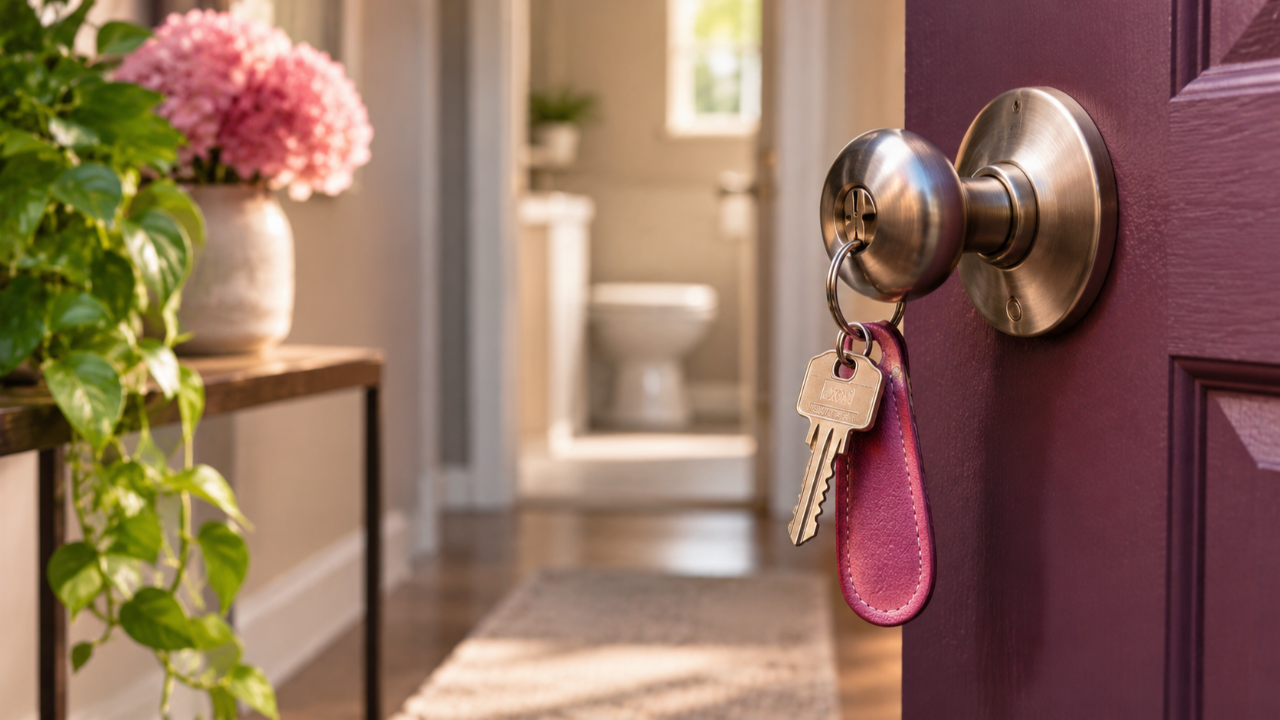
You put your key in the door after a long day, and out of nowhere, you feel an overwhelming, can't-wait-another-second urge to pee. You weren't desperate two minutes ago. Now you're doing a half-walk, half-shuffle to the bathroom. Sound familiar? That sudden, urgent sensation isn't random. It's a recognized pattern involving how your bladder and brain communicate, and it's more common than most women realize.
Key Takeaways
- Sudden urinary urgency doesn't always mean your bladder is full or your pelvic floor is simply weak
- Urge incontinence and stress incontinence are distinct conditions that require different approaches
- Familiar cues like arriving home or hearing running water can trigger urgency through learned associations
- Bladder retraining and urge-suppression strategies may help you gradually build better control
- Sudden or worsening urinary symptoms deserve professional evaluation, not just self-management
What Is Actually Happening When You Suddenly Can't Wait?
The short answer is that your bladder is sending an urgent signal to your brain before it's actually full. Under normal circumstances, your bladder fills gradually and sends mild awareness signals long before you truly need to go. When the communication between your bladder and your nervous system gets disrupted or sensitized, those signals arrive much earlier and much louder than they should.
This isn't a sign that you're weak or broken. It's a sign that a system in your body has learned a pattern that isn't serving you well, and patterns can be changed.
What Is Urge Urinary Incontinence?
Urge urinary incontinence is the involuntary leakage of urine that happens alongside or immediately after a sudden, compelling urge to urinate. The urgency arrives fast, the brain hasn't fully processed a response yet, and leakage occurs before you reach the bathroom.
It's worth being clear about something: urgency itself can happen without leakage. Some women feel the desperate urge frequently but manage to hold on. Others don't make it in time. Both experiences belong to the same family of symptoms, and both deserve attention.
What Is Overactive Bladder (OAB)?
Overactive bladder is a symptom syndrome, not a single diagnosis with one neat cause. The hallmark is urinary urgency, that sudden compelling need to urinate that's difficult to defer. OAB often comes with urinary frequency (going more often than usual during the day), nocturia (waking at night to urinate), and, in some cases, urgency-related leakage.
The important nuance here is that OAB describes a cluster of symptoms after other relevant causes, like a urinary tract infection or certain medications, have been considered. Arriving at an OAB label isn't the same as understanding why it's happening for you specifically.
Urge Incontinence vs. Stress Incontinence: What's the Difference?
These two types of leakage feel completely different and involve different mechanisms.
Stress urinary incontinence involves leakage during physical activities that increase abdominal pressure, like coughing, sneezing, laughing, jumping, or lifting. The pelvic floor isn't able to brace quickly enough against that sudden pressure increase, and urine escapes. This is the kind of leakage most commonly associated with pregnancy, postpartum recovery, and menopause.
Urge urinary incontinence involves leakage tied to a sudden, overwhelming need to go. The physical activity isn't what triggers it. The urgency signal is what triggers it.
Some women experience both, which is called mixed urinary incontinence. This is genuinely common, and it matters because the strategies that help stress leakage aren't always the right starting point for urgency-related leakage. Treating one without acknowledging the other leaves half the picture unaddressed.
The Key-in-the-Door Moment: Why Familiar Cues Trigger Urgency
Here's one of the most recognizable patterns in urgency: you can be perfectly fine during a thirty-minute drive home, but the moment you pull into your driveway or put your key in the lock, a wave of urgency hits.
This experience has a name in clinical circles: "key in the door" syndrome. What's happening isn't that your bladder suddenly filled up in the last thirty seconds. What's happening is that your nervous system has learned an association.
Over time, the routine of arriving home has become linked with the act of going to the bathroom. Your brain anticipates what comes next and begins preparing before you've even stepped inside. Running water, approaching a familiar restroom, certain times of day, or even specific emotional states can trigger the same conditioned urgency response.
This is a learned pattern, not a structural failure. The bladder is responding to a cue. Understanding this distinction is genuinely useful because it opens up a whole category of strategies that don't involve simply "holding it harder."
What Contributes to Urgency? (It's Rarely Just One Thing)
Bladder urgency has multiple possible contributors, and they often overlap. None of these are universal causes, but each one is worth considering.
Bladder sensitivity and nervous system regulation. The bladder's sensory nerves can become heightened over time, sending "full" signals earlier than the situation warrants. Stress, disrupted sleep, and sustained anxiety can amplify how loudly the bladder communicates.
Caffeine and fluid habits. Caffeine acts as a bladder irritant and diuretic for many people. Both drinking too little fluid (which concentrates urine and irritates the bladder lining) and drinking too much at once can contribute to urgency.
Constipation. A full rectum sits immediately behind the bladder. Chronic constipation can create pressure that influences bladder sensation and contribute to urgency signals.
Urinary tract infection. A UTI can cause sudden, significant urgency. If your urgency appeared suddenly and comes with burning, pain, or cloudy urine, a UTI needs to be ruled out before anything else.
Menopausal genitourinary changes. Declining estrogen during perimenopause and menopause affects the tissue of the urethra and bladder, making the area more sensitive and prone to urgency. This is a physiological change, not simply "getting older."
Medications and other conditions. Some medications list urinary frequency or urgency among their effects. Neurological conditions can also influence bladder control in ways that deserve proper evaluation.
What Is Bladder Retraining and How Does It Work?
Bladder retraining is a behavioral approach that gradually helps you extend the time between bathroom visits and respond differently to urgency signals. The goal isn't to force your bladder to wait as long as possible from day one. That kind of rigid holding is uncomfortable and counterproductive.
Instead, bladder retraining works by gently expanding your current comfortable window between bathroom visits, little by little, over time. Consider a typical starting point: someone going to the bathroom every forty to fifty minutes, often "just in case," even when urgency isn't strong. That pattern reinforces the bladder's tendency to signal early. By gradually extending intervals by small increments and using urge-suppression strategies in the gaps, the bladder learns that it can hold more before the signal truly needs action.
The "just in case" trip deserves special mention. Going to the bathroom before urgency strikes feels like a sensible precaution, but done habitually, it actually teaches your bladder to signal at lower and lower volumes. It reinforces exactly the pattern you're trying to break.
Practical Urge-Suppression Strategies
When a wave of urgency hits, the instinct is to rush to the bathroom immediately. Counterintuitively, rushing can make it worse. Moving quickly increases physical pressure and agitation, which can trigger leakage before you arrive.
Some strategies that may help:
Stop moving and stand still. When urgency strikes, pause rather than speed up. Standing still and focusing on calming the signal is more effective than rushing.
Use controlled, calm breathing. Slow, deliberate breathing helps regulate the nervous system's response. A racing anxious brain amplifies urgency. A calm one can help settle it.
Curl your toes or sit on a firm surface. These physical inputs can sometimes interrupt the urgency signal by shifting your nervous system's attention.
Pelvic floor contractions as a urge-suppression tool. Some women use a quick pelvic floor contraction to help inhibit the bladder signal. This works for some people. However, it's not appropriate for everyone. Women with pelvic pain or difficulty relaxing their pelvic floor may find that contracting during urgency makes symptoms worse, not better. If you're navigating pelvic floor tension or pain alongside urgency, getting personalized guidance through the Buff Muff App is a smarter starting point than applying a one-size-fits-all strategy.
Tracking Your Symptoms: Why a Bladder Diary Matters
One of the most useful things you can do before speaking with a clinician is to track your symptoms for a few days. A simple bladder diary records fluid intake, bathroom visits, urgency episodes, any leakage, and potential triggers.
Patterns you might not notice in daily life become visible on paper. You might realize your urgency clusters in the morning after coffee. You might notice you visit the bathroom every hour at home but only twice in a three-hour meeting. These patterns give you and any clinician you consult genuinely useful information.
It's worth being clear: a bladder diary is an educational and observational tool. It isn't a diagnostic assessment, and recording your symptoms doesn't replace a clinical evaluation.
The Buff Muff App offers guided pelvic floor fitness education and exercise routines that can complement your symptom-tracking process. The app's resources are designed to build your understanding of pelvic floor function and provide structured movement programming. Keeping a separate bladder diary alongside your app experience gives you a fuller picture of how your body is responding over time.
When to Seek Professional Evaluation
Urgency is common. It's also something worth discussing with a clinician, especially if it's new, worsening, or accompanied by other symptoms.
Seek evaluation promptly for: new or rapidly worsening urgency, burning or painful urination, blood in the urine, fever with urinary symptoms, or difficulty fully emptying your bladder. These symptoms should not be attributed to OAB without ruling out other causes first.
Sudden-onset urgency in particular deserves attention. If you've had no previous urinary symptoms and urgency appeared quickly, a UTI, medication change, or other condition may be the more immediate explanation.
The courses and resources available through the Vagina Coach are designed to work alongside clinical care, not in place of it. Pelvic floor education and guided exercise are most effective when you have a clear picture of what you're working with.
What the Buff Muff App Offers for Pelvic Floor Fitness
The Buff Muff App provides structured, science-backed pelvic floor fitness programs created by Kim Vopni, who has over 15 years of expertise in women's pelvic health. The app's programs address pelvic floor function from a whole-body perspective, recognizing that urgency, leakage, and pelvic floor dysfunction aren't isolated problems.
What the app offers is pelvic floor fitness education and guided exercise programming. It's a tool for building functional pelvic floor fitness, improving body awareness, and developing the kind of consistent practice that creates lasting change. It is not a clinical diagnostic tool and it doesn't replace evaluation by a pelvic floor physiotherapist or physician for complex symptoms.
Women navigating urgency alongside other pelvic floor symptoms, or those who've spent years feeling dismissed by generic advice, consistently find value in having structured guidance they can follow privately, at their own pace. You can explore the Buff Muff App's programs and start a 7-day free trial with no commitment required.
FAQ
Why do I suddenly feel the urge to pee when I wasn't desperate moments before?
This is one of the most common descriptions of urge urinary incontinence or overactive bladder. Your bladder sends an urgency signal to your brain before it's truly full. Environmental cues, learned associations, and heightened bladder sensitivity can all cause that signal to arrive fast and intensely, even when your bladder has plenty of room left.
Is the "key in the door" feeling normal?
It's extremely common, which is not the same as something you should simply accept as permanent. The pattern develops because your nervous system has associated arriving home with the routine of going to the bathroom. It's a conditioned response, and behavioral strategies can help interrupt and gradually retrain it.
Can a weak pelvic floor cause urgency?
Pelvic floor weakness is more commonly associated with stress incontinence. Urgency can involve other mechanisms, including bladder sensitivity, nervous system signaling, and learned behavioral patterns. Some women have urgency with no significant weakness at all. Others have both. This is exactly why applying a generic "strengthen your pelvic floor" prescription to urgency doesn't always help, and sometimes makes things worse.
What's the difference between going frequently and having overactive bladder?
Frequency means visiting the bathroom more often than is typical, generally considered more than eight times in a waking day for most adults. OAB involves urgency as its hallmark symptom. Frequency can accompany OAB, but simply going often without strong urgency may have other explanations, including high fluid intake, caffeine, or habit. A clinician can help sort out which factors are driving your particular pattern.
Will bladder retraining fix urgency incontinence permanently?
Bladder retraining can meaningfully improve urgency and frequency for many women, but it requires consistency and time. It works by gradually reshaping the bladder's signaling habits, which doesn't happen in a weekend. Outcomes vary depending on contributing factors, and for some women, bladder retraining works best as one part of a broader approach that includes pelvic floor fitness, fluid management, and clinical support where needed. There are no guaranteed timelines or universal outcomes.
Should I cut back on fluids to reduce urgency?
Restricting fluids is one of the most common self-management attempts, and it often backfires. Concentrated urine is more irritating to the bladder lining and can actually increase urgency. Consistent, moderate fluid intake spread across the day tends to be more helpful than dramatically reducing how much you drink. Reducing caffeine and alcohol, which have bladder-irritating properties, is generally a more useful adjustment than cutting water.
When should I see a doctor about sudden urgency?
You should seek evaluation if urgency appeared suddenly and is new for you, if you have pain or burning with urination, if you notice blood in your urine, if you have a fever alongside urinary symptoms, or if you're having difficulty fully emptying your bladder. These symptoms need proper assessment before assuming OAB is the explanation. Even without these red-flag symptoms, ongoing urgency that affects your daily life is worth discussing with a clinician who can evaluate your specific situation.
You don't have to organize your entire life around where the nearest bathroom is. Understanding what's actually happening when urgency strikes is the first step toward changing it. Start exploring the Buff Muff App with a 7-day free trial and discover what structured pelvic floor fitness education can offer you, at home, at your own pace, without judgment.
This article is for educational purposes and does not constitute medical advice. If you are experiencing new, worsening, or concerning urinary symptoms, please consult a qualified healthcare provider.
This article was first published on vaginacoach.com.

A stronger pelvic floor in 15 minutes a day
Kim's step-by-step program to stop leaks and get your confidence back, from home.
Start the Buff Muff™ Method →