Why You Might Be Feeling a "Heavy" Sensation in Your Pelvis
That dragging pelvic sensation isn't normal aging. Learn what causes heaviness, how pelvic organ prolapse differs from other conditions, and find relief.

That low, dragging pressure in your pelvis is real. It's not a normal part of aging you're supposed to tolerate, and it's not something you need to figure out alone. Pelvic heaviness is one of the most recognized ways pelvic organ prolapse makes itself known, though several other conditions can produce a similar feeling. Getting clear on what's behind it opens the door to managing it well.
A note before we go further: If you're experiencing severe pelvic pain, an inability to urinate, significant unexplained bleeding, or signs of infection, please seek immediate medical attention. Those symptoms need same-day evaluation, not a blog post.
This guide is published by The Vagina Coach, founded by Kim Vopni, a women's health educator with over 15 years of expertise in pelvic floor fitness. The Buff Muff App and its membership community exist to help women navigate pelvic floor dysfunction through guided exercise, education, and community support.
Key Takeaways
- Pelvic heaviness, vaginal pressure, and a "falling tampon" sensation are symptoms worth investigating, not a diagnosis on their own.
- Pelvic organ prolapse occurs when the support structures of the pelvis are compromised enough for the bladder, uterus, or rectum to descend toward the vaginal canal.
- The American College of Obstetricians and Gynecologists (ACOG) identifies conservative management as a recognized first-line approach for symptomatic prolapse, meaning surgery isn't the automatic next step.
- Symptoms often feel heavier as the day progresses because of gravity and cumulative load on connective tissue, not because the condition is rapidly worsening.
- Getting evaluated gives you a clearer picture of what's happening and what options are available to you.
What Does Pelvic Heaviness Actually Feel Like?
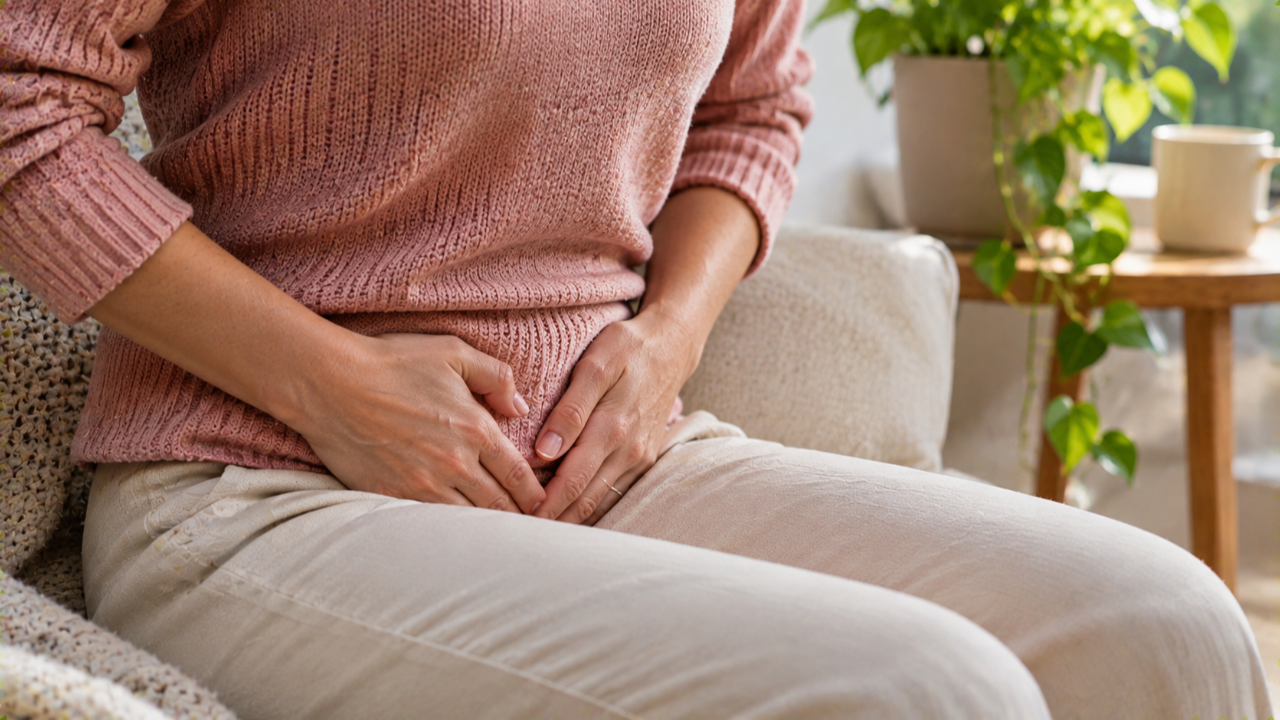
Women describe it in different ways. Some notice a constant sense of pressure low in the abdomen, almost as if something is bearing down. Others feel a dragging sensation that builds through the afternoon, a fullness near the vaginal opening, or a soft bulge they notice when wiping. One of the most searched descriptions is the sensation of a tampon that's slipped halfway out.
These descriptions are symptoms, not diagnoses. They signal that something is happening in your pelvis, but they can't tell you precisely what without a proper assessment. Several conditions produce overlapping sensations, which is why getting examined matters before deciding on a path forward.
What Is Pelvic Organ Prolapse?
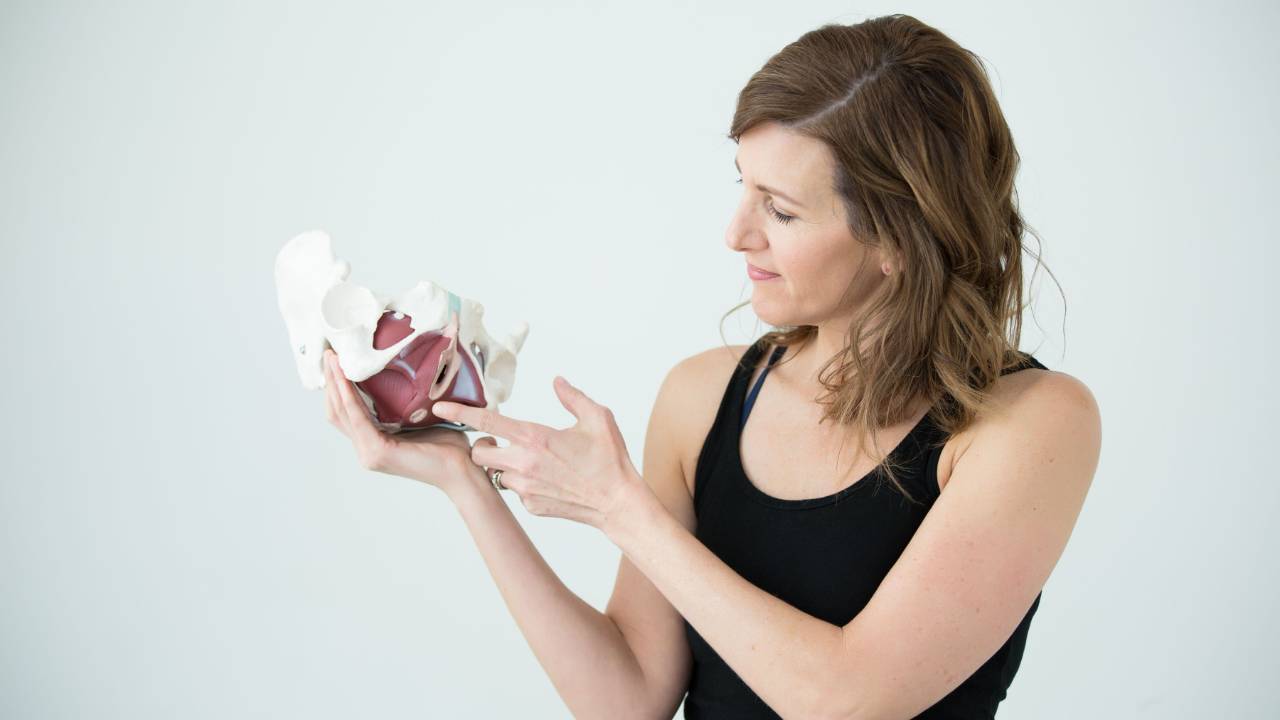
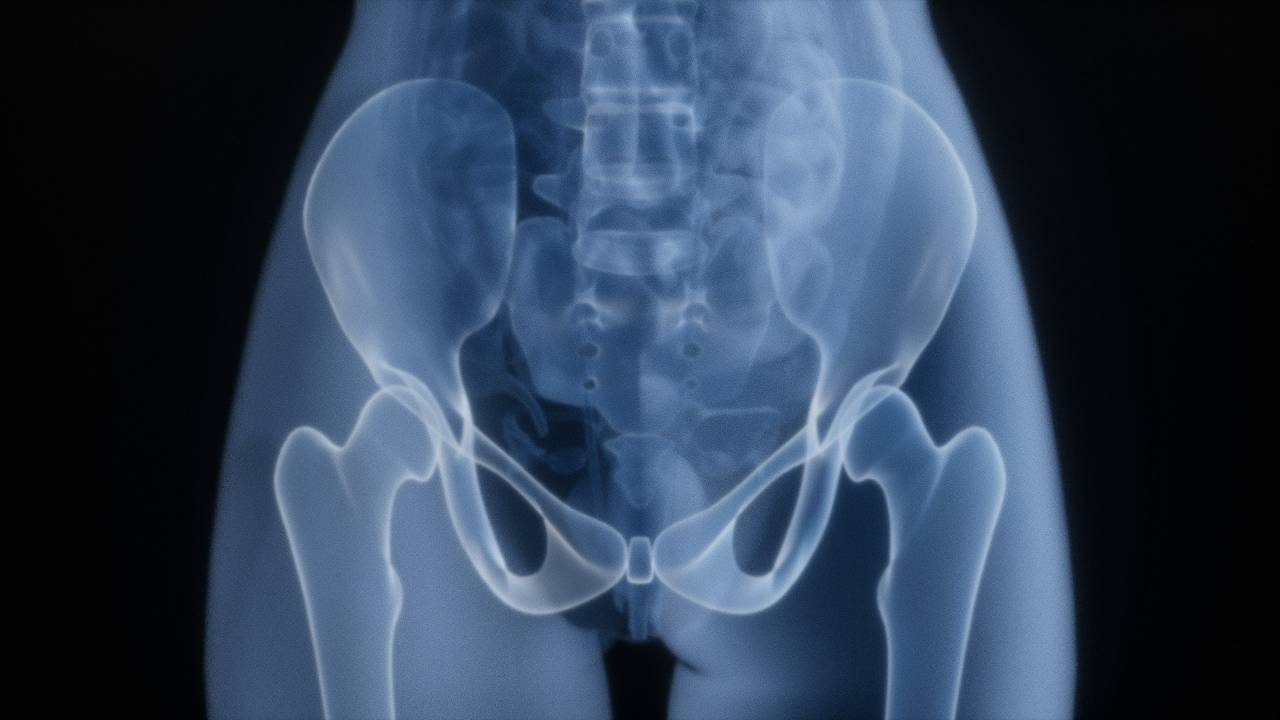
Your pelvic organs, including the bladder, uterus, and rectum, are held in position by a combination of muscles, ligaments, and connective tissue. When that support network is compromised, one or more organs can shift downward toward or into the vaginal canal. That's pelvic organ prolapse, commonly abbreviated as POP.
Different structures can be involved. A cystocele occurs when the bladder descends toward the front vaginal wall. A rectocele occurs when the rectum presses against the back vaginal wall. Uterine prolapse means the uterus itself has descended. Women who've had a hysterectomy can experience vault prolapse, where the top of the vagina loses its anchoring support.
Prolapse exists on a spectrum. Some women have mild anatomical changes with few noticeable symptoms. Others experience more significant descent that affects daily life. One important nuance is that the degree of anatomical change found on examination and the severity of symptoms don't always correspond directly. This is one reason self-diagnosing from symptoms alone isn't reliable.
Is All Pelvic Pressure Related to Prolapse?
No. Constipation, hormonal fluctuations across the menstrual cycle, urinary tract infections, prolonged standing after physical activity, and even significant gas can all produce temporary pelvic fullness or pressure. These causes are common and usually short-lived.
The distinction worth paying attention to is persistence and pattern. Pressure that resolves within a few hours after rest, has a clear temporary trigger, and doesn't disrupt daily function is a different picture from pressure that's present most days, grows heavier through the afternoon, comes with a palpable bulge, or arrives alongside changes in bladder or bowel habits.
If your symptoms fit that second description, it's worth getting assessed. Not because something catastrophic is happening, but because knowing what you're dealing with is the starting point for managing it effectively.
Why Do Symptoms Often Feel Worse Later in the Day?
This pattern is one of the hallmarks of prolapse, and it has a straightforward mechanical explanation. When you're lying down, gravity isn't pulling pelvic organs downward and the supporting tissues get a chance to decompress. After hours of standing, walking, lifting, and moving, cumulative load builds on connective tissue that's already working with a reduced support reserve. The sensation of descent or pressure tends to increase as that load accumulates.
This daily fluctuation doesn't mean your prolapse is deteriorating hour by hour. It reflects how a load-bearing system behaves under sustained demand. Many women find that a brief rest lying down in the afternoon, or redistributing the timing of demanding physical tasks, reduces symptoms noticeably.
What Contributes to Pelvic Organ Prolapse?
Prolapse rarely has a single origin. Several factors interact across a lifetime.
Vaginal childbirth, particularly births involving long pushing stages, large babies, or instrumental delivery, places significant mechanical strain on the connective tissue and nerves of the pelvic floor. Pregnancy itself changes load distribution on these structures for months before delivery occurs. Aging and the hormonal shifts associated with menopause affect the elasticity and thickness of pelvic connective tissue over time. Chronic constipation and habitual straining during bowel movements create repetitive downward pressure across years. A persistent cough contributes similar force with every episode. Genetics also plays a role because connective tissue characteristics are partly inherited, and prolapse sometimes runs in families regardless of obstetric history.
One point worth being clear about: prolapse isn't simply a weak pelvic floor problem. Muscle function is one part of the picture, but connective tissue integrity, nerve function, and load-bearing demands all contribute. The pelvic floor isn't a single muscle you can strengthen in isolation. Adding more contractions to a floor that can't release properly can compound the problem rather than solve it. This is why a one-size-fits-all Kegel prescription frequently falls short, and why understanding your specific presentation matters.
Does Prolapse Always Require Surgery?
No. ACOG identifies conservative management as a recognized first-line approach for symptomatic prolapse. The International Urogynecological Association similarly recognizes pelvic floor muscle training and pessary use as established first-line interventions. Surgery is one option within a broader spectrum of care, not the default destination.
Whether surgery ever becomes appropriate depends on symptom severity, the degree of structural change, personal goals, overall health, and whether nonsurgical strategies have been genuinely explored and optimized. Many women manage their symptoms effectively for years, or indefinitely, through conservative approaches.
For women who do pursue surgical repair, pelvic floor preparation beforehand and continued pelvic floor work afterward can support recovery, though outcomes vary by individual. The Pelvic Surgery Success program was developed specifically for women navigating that path.
What Are the Nonsurgical Options?
Nonsurgical management is an active area of clinical practice, and the options available are often more varied than women realize when they first encounter a prolapse diagnosis.
Pelvic floor muscle training, when it's matched to the individual's actual presentation, can reduce symptom severity and improve functional support. The critical nuance is that a floor carrying too much resting tension won't benefit from more contraction work. Effective training starts with understanding how the floor moves and releases, not just whether it contracts. For some women, the priority is learning to fully relax before strength work becomes relevant.
Pelvic floor physical therapy provides individualized assessment and treatment that goes well beyond a generic exercise handout. A qualified therapist evaluates muscle function, coordination, scar tissue, and connective tissue quality, then develops an approach specific to that person's anatomy and goals. Finding someone qualified is a practical early step, and the directory of pelvic health therapists is a useful starting point.
Vaginal pessaries are removable devices fitted inside the vagina to provide mechanical support. They're underused and underappreciated. When properly fitted, most women can't feel them during daily activities. There are numerous shapes and sizes to match different types of prolapse and lifestyle needs, and fitting is done by a gynecologist or urogynecologist.
Pressure management strategies are worth understanding carefully. When intra-abdominal pressure rises during lifting, getting up from a chair, or coughing, the pelvic floor in a well-coordinated system anticipates that spike and responds accordingly. In a compromised system, that pressure can translate more directly downward onto structures already under strain. Coordinating your breathing with moments of effort, such as exhaling during a lift, is one strategy many women find helpful for managing symptoms, though how much benefit any individual experiences will vary. These are practical tools to explore with professional guidance, not guaranteed biomechanical corrections.
Constipation management sits alongside pressure management in importance. Every straining episode adds downward force to tissues that are already stressed. Adequate hydration, fiber intake, and positioning your knees above hip level on the toilet all reduce straining load. The courses available through The Vagina Coach include structured education on these daily movement and pressure strategies, because how you breathe and move through an ordinary day matters alongside any dedicated exercise practice.
Evaluating Your Options: Why Clarity Comes Before Action
One of the most common patterns women describe is waiting months or years before seeking evaluation, either because symptoms seemed manageable, because they assumed surgery was the only option, or because pelvic heaviness felt too vague to bring up with a provider.
What tends to happen during that waiting period is that contributing factors, things like chronic straining, unmanaged pressure habits, and hormonal changes, continue without any adjustment. Symptoms may remain stable, or they may gradually worsen. What doesn't happen is spontaneous resolution without any change in the conditions driving the problem.
Getting evaluated doesn't commit you to any particular path. It tells you what's actually happening, which structures are involved, and what the realistic options are for your specific situation. That clarity is what makes it possible to choose a management approach that fits your life and your goals, rather than either catastrophizing or hoping the symptoms will disappear on their own.
A pelvic floor physical therapist is often the most accessible starting point for assessment and guided conservative care. A gynecologist or urogynecologist is appropriate for a more thorough structural assessment, pessary fitting, or discussion of the full range of options including surgical ones.
When Should You Seek Professional Evaluation?
New or persistent vaginal bulging, heaviness that worsens over several weeks, difficulty fully emptying your bladder or bowel, and pelvic pain accompanying the heaviness all warrant professional evaluation. Don't wait for symptoms to become severe.
For symptoms that are present but stable, a pelvic floor physical therapist is a practical starting point. Seeing a gynecologist or urogynecologist makes sense if you want a comprehensive structural assessment or want to discuss the full range of management options.
How the Buff Muff Membership Fits In
The Buff Muff Membership, built on Kim Vopni's Buff Muff Method, guides women through pelvic floor fitness in a way that accounts for the actual complexity of pelvic floor dysfunction. Programs address coordination, relaxation, and load management alongside strength, with progressive movement guidance and community support built in.
To be clear about what the membership is and isn't: it's a guided fitness and education resource, not a clinical diagnostic service. It won't identify your specific dysfunction type on an exam, diagnose prolapse, reverse anatomical structural changes, or guarantee that surgery won't be part of your journey. What it does offer is a structured, informed approach to pelvic floor fitness that works alongside professional care, not as a replacement for it.
The membership includes a 7-day free trial if you want to explore what that looks like in practice before committing.
Frequently Asked Questions
Can I have prolapse without knowing it?
Yes. Some women have prolapse identified on a routine examination with no symptoms at all, or with symptoms so mild they've attributed them to something else entirely. The absence of dramatic symptoms doesn't rule out prolapse, and significant symptoms don't always indicate severe structural change. Only a physical examination can clarify what's actually happening.
What's the difference between a cystocele and a rectocele?
A cystocele involves the bladder descending toward the front wall of the vagina and is often associated with urinary changes. A rectocele involves the rectum pressing against the back vaginal wall and is often associated with difficulty fully emptying the bowel. Both can produce pelvic heaviness and pressure, and some women experience both simultaneously.
Will prolapse get worse if I don't address it?
Not automatically. Some prolapses remain stable for extended periods. Others progress gradually, particularly when factors like chronic straining, unmanaged intra-abdominal pressure, and hormonal changes continue without adjustment. Regular monitoring with a clinician helps track any changes over time. Deterministic predictions about inevitable worsening aren't accurate because individual trajectories vary considerably.
Is it safe to exercise with prolapse?
For most women, yes, with appropriate guidance. The important nuance is that pelvic floor exercise for prolapse isn't one-size-fits-all. A floor carrying too much resting tension needs a different approach than one with poor contractile strength. A structured program that accounts for this distinction is a much more appropriate starting point than generic Kegel instructions, and pairing any exercise program with input from a pelvic floor physical therapist gives you the clearest picture.
Do pessaries work, and are they uncomfortable?
Pessaries are effective for many women. When properly fitted, most women can't feel them during daily activities. Finding the right fit and style sometimes takes more than one appointment, but pessaries are a reversible option that provides structural support without surgery. They're appropriate for a wide range of women, including those who want to delay or avoid surgery and those who aren't surgical candidates for health reasons.
Can symptoms improve without surgery?
For many women, yes. Symptoms can improve meaningfully through pelvic floor physical therapy, pessary use, pressure management strategies, constipation management, and appropriately guided exercise. How much improvement is possible depends on the individual's degree of prolapse, tissue quality, and consistency with management strategies over time. Conservative care doesn't guarantee a specific outcome, but meaningful symptom reduction is a realistic goal for a significant number of women.
How does the Buff Muff App approach prolapse specifically?
The Buff Muff App and its membership community, built on Kim Vopni's Buff Muff Method, provide guided pelvic floor fitness that addresses coordination, relaxation, and load management alongside strength. The programs are designed to reflect the genuine complexity of pelvic floor dysfunction rather than defaulting to generic contraction prescriptions. The membership works alongside professional care and is not a substitute for clinical evaluation or diagnosis. A 7-day free trial is available so you can explore the resources before deciding whether it's the right fit for where you are right now.
This article was first published on vaginacoach.com.

A stronger pelvic floor in 15 minutes a day
Kim's step-by-step program to stop leaks and get your confidence back, from home.
Start the Buff Muff™ Method →