Why Sex May Become Uncomfortable As You Age
Discover why sex becomes uncomfortable with age and what you can do about it. Learn about GSM, hormonal changes, and solutions to reclaim comfort.

Sex can become uncomfortable as you age primarily because of hormonal shifts during perimenopause and menopause that change vaginal tissue, reduce natural lubrication, and affect nerve sensitivity. Pelvic floor muscle tension can also contribute. Neither cause is inevitable, and neither means you simply have to live with discomfort.
Key Takeaways
- Genitourinary Syndrome of Menopause (GSM) is a medical condition caused by declining estrogen that can affect vaginal tissue health, moisture, and comfort during sex
- Vaginal dryness is one of the most common contributors to painful intercourse after menopause, and several effective options exist for addressing it
- A tight or non-relaxing pelvic floor can contribute to pain with penetration in some women, but symptoms alone cannot establish this as the cause
- Exercise and pelvic floor training support overall pelvic health, but they do not reverse estrogen-related tissue changes on their own
- Sexual discomfort associated with aging is not something you have to accept without investigation or support
What Is Genitourinary Syndrome of Menopause?
Genitourinary Syndrome of Menopause, commonly abbreviated as GSM, is a clinical term for the collection of symptoms that can develop when estrogen levels decline during perimenopause and menopause. It affects the vaginal and vulvar tissues, the urethra, and the bladder.
Before menopause, estrogen plays an ongoing role in maintaining the thickness and flexibility of vaginal walls, supporting natural moisture, and keeping the vaginal environment slightly acidic. When estrogen declines, these processes slow. Vaginal tissue can become thinner, less elastic, and more easily irritated. The natural lubrication that occurs during sexual arousal may reduce. The vaginal opening can narrow slightly over time if penetration is avoided for extended periods.
GSM is distinct from general aging. It's a physiological response to a specific hormonal change, which is important because it means there are targeted, evidence-supported options for addressing it, rather than just accepting the symptoms as a fixed consequence of getting older.
If you're experiencing persistent vaginal discomfort, dryness, or pain, talking with a gynecologist or pelvic health clinician is the right first step. GSM is underdiagnosed partly because many women don't mention their symptoms, and many clinicians don't ask. You deserve a direct conversation about what you're experiencing.
How Does Declining Estrogen Change Vaginal Tissue?
The mechanism is specific and worth understanding. Estrogen receptors are distributed throughout vaginal and vulvar tissue. When estrogen is consistently present, those receptors keep cells turning over, maintain collagen, and support the production of glycogen, which feeds the beneficial bacteria that protect vaginal pH.
When estrogen drops, that maintenance slows across the board. Vaginal walls lose some of their rugae, the folded texture that allows them to stretch comfortably. The tissue becomes thinner and less able to tolerate friction. Blood flow to the area decreases, which affects both natural lubrication and the healing response to minor irritation.
These changes can happen gradually, often starting in perimenopause before periods have stopped entirely. Some women notice very little change. Others experience significant dryness, burning, or rawness that affects daily comfort, not only sex.
It's worth being clear about what estrogen-related tissue changes are and aren't. They're not a sign that something has gone wrong with your body. They're a predictable physiological shift. But predictable doesn't mean unaddressable, and it definitely doesn't mean you should ignore symptoms that are affecting your quality of life.
What Role Does Vaginal Dryness Play in Painful Intercourse?
Reduced lubrication is one of the most direct contributors to discomfort during sex as estrogen declines. During sexual arousal, the vaginal walls normally produce a fluid that reduces friction during penetration. When estrogen-related tissue changes reduce this response, penetration can feel raw, tight, or burning even when arousal is present.
The distinction matters: it's not that desire has disappeared or that arousal isn't happening. The tissue simply isn't producing the same mechanical response it once did. Many women find this confusing and distressing because the mismatch between how they feel emotionally and how their body is responding doesn't make intuitive sense.
Vaginal lubricants used during sexual activity can significantly reduce friction-related discomfort. Vaginal moisturizers, used regularly rather than only during sex, work differently by supporting tissue hydration over time. These are available without a prescription and represent a reasonable first step.
For women with more significant GSM symptoms, clinician-prescribed local vaginal estrogen is an evidence-supported option that works directly at the tissue level. Local vaginal estrogen is applied directly to the vaginal tissue in low doses, and because absorption into the bloodstream is minimal at standard therapeutic doses, it's considered appropriate for many women who may not be candidates for systemic hormone therapy. This is a conversation to have with your physician or gynecologist based on your individual health history.
Can a Tight Pelvic Floor Contribute to Painful Sex?
Yes, in some women, and it's an important piece of the picture that's frequently missed.
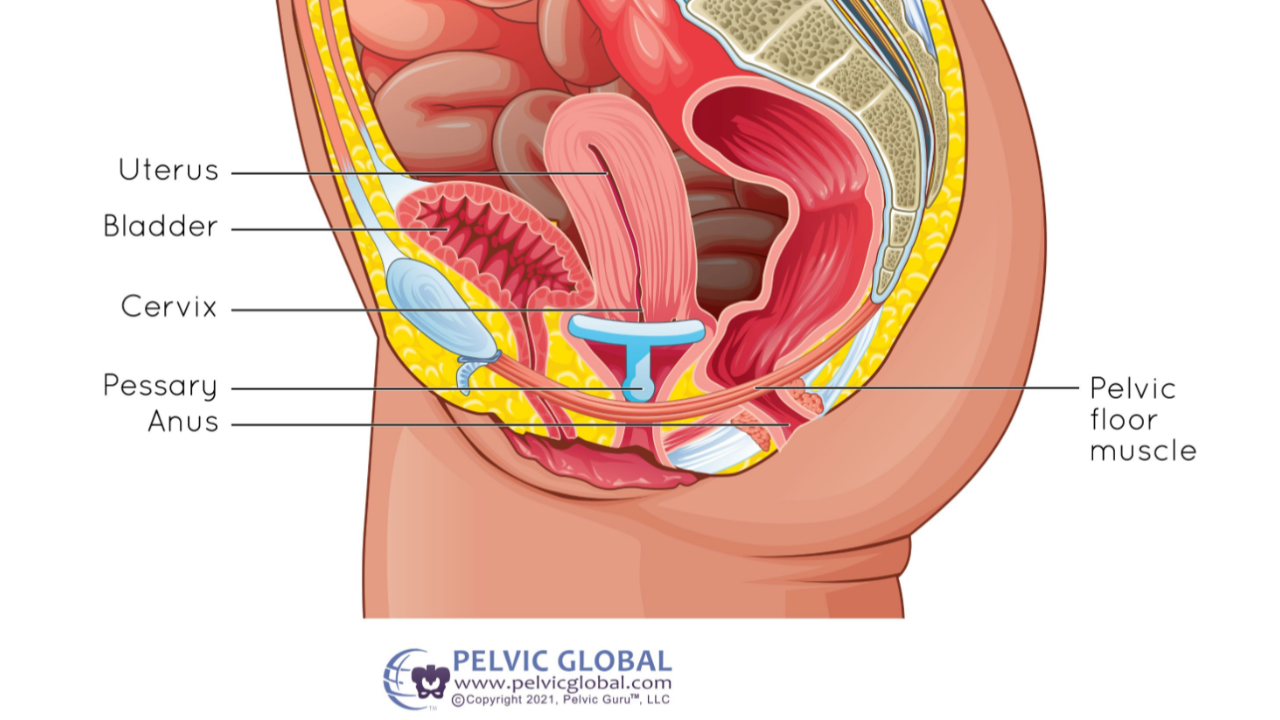
The pelvic floor is a group of muscles that form the base of the pelvis. For penetrative sex to be comfortable, those muscles need to be able to relax and lengthen, not just contract. When pelvic floor muscles are chronically tense, guarded, or unable to fully release, penetration can feel restricted, painful, or burning, even when vaginal tissue itself is healthy.
Consider a typical scenario: a woman in her mid-forties notices that sex has become uncomfortable over the past year. She assumes it's dryness, tries lubricant, and finds it helps somewhat but doesn't fully resolve the discomfort. What she may not know is that her pelvic floor has been holding elevated tension for months, a pattern that can develop in response to stress, previous pain with sex, prolonged sitting, or changes in movement habits. The lubricant addresses friction, but it doesn't address muscle tension.
Pelvic floor overactivity and GSM can both be present at the same time, and addressing only one when both are contributing won't produce the full improvement that's possible.
That said, symptoms alone cannot establish whether pelvic floor tension is playing a role. Pelvic pain with penetration has multiple possible causes, including vulvodynia, vaginismus, infections, skin conditions, and structural changes, none of which can be reliably distinguished from each other through symptom description alone. A pelvic floor physical therapist is trained to assess muscle tone, coordination, and tissue response, and that kind of hands-on evaluation provides information that no app or self-assessment can replicate.
The pelvic health therapist resources at The Vagina Coach can help you find qualified professionals who understand the full picture of pelvic floor function.
What Happens Emotionally When Sex Becomes Painful?
The psychological dimension of painful sex is real and deserves to be named directly rather than treated as secondary.
When sex is consistently uncomfortable, anticipating pain becomes part of the experience. The body's protective response to anticipated discomfort includes increased muscle guarding, reduced arousal, and a narrowing of attention toward monitoring for pain. This is not a character flaw or an overreaction; it's how the nervous system responds to repeated painful experiences.
Over time, avoidance can develop. Women may stop initiating sex, find reasons to delay it, or push through discomfort without acknowledging it, sometimes for years, because they've internalized the idea that this is just what aging feels like and they should manage it quietly. Partners may sense the withdrawal without understanding why, which creates its own layer of distance and confusion.
None of this is inevitable, and naming it doesn't fix it. But understanding that the emotional experience is a logical response to a real physical problem, rather than evidence of a psychological issue, is the starting point for addressing it with the honesty it deserves. Conversations with a partner, and sometimes with a therapist who works with sexual health, are legitimate parts of navigating this period.
What Are the Evidence-Informed Options for Support?
The range of available support is wider than most women realize because, historically, this conversation simply didn't happen.
For GSM and estrogen-related tissue changes, options include over-the-counter vaginal moisturizers and lubricants, clinician-prescribed local vaginal estrogen, and, where appropriate for the individual's health profile, broader hormonal support discussed with a physician. These approaches work at the tissue level in ways that pelvic floor exercises alone cannot.
Pelvic floor physical therapy is the most appropriate first-line support for suspected pelvic floor muscle tension contributing to pain. A trained pelvic floor physiotherapist can assess resting tone, identify whether muscles are overactive, underactive, or uncoordinated, and provide manual treatment alongside a structured exercise program tailored to what that specific floor actually needs.
For women who want structured pelvic floor education and guided relaxation and mobility work they can do at home, the Buff Muff App provides a practical resource alongside professional care. The Buff Muff Method emphasizes whole-body pelvic health and includes guidance on pelvic floor relaxation and mobility as well as strengthening, recognizing that a floor that can't release is just as important to address as one that can't engage. To be clear: the app supports pelvic floor fitness and education; it doesn't diagnose pelvic pain, treat GSM, or replace a gynecological or pelvic health assessment.
If you're recovering from or preparing for pelvic surgery, the Pelvic Surgery Success program is designed specifically for that context and goes beyond what a general pelvic floor program addresses.
When Should You Seek Medical Care?
Some symptoms warrant prompt medical evaluation rather than a wait-and-see approach.
Seek care from a physician or gynecologist if you experience any of the following: persistent or worsening pelvic pain, pain that's new or changing in character, unexplained vaginal bleeding (especially after menopause), unusual discharge, symptoms of urinary tract infection that recur frequently, or any pelvic pressure or heaviness that's getting worse over time.
Painful sex that doesn't improve with lubricant use, or that's significantly affecting your daily life, also warrants a clinical conversation. A gynecologist can assess for GSM, skin conditions, infections, and structural changes. A pelvic floor physiotherapist can assess muscle function. These two types of assessment are complementary and often both necessary.
The answer to sexual discomfort with age is rarely one thing, and it's almost never "just wait and see."
How Acting Now Compares to Waiting
|
Approach |
What it addresses |
What it misses |
Likely outcome |
|
Investigating symptoms with a clinician and appropriate support |
Identifies tissue changes, muscle tension, and contributing factors |
Nothing that prompt evaluation catches |
The best chance of meaningful, lasting improvement |
|
Using lubricants alone without further evaluation |
Reduces friction during sex |
Tissue changes, muscle tension, and underlying causes |
Partial relief; contributing factors may worsen over time |
|
Waiting and hoping symptoms resolve on their own |
Avoids the discomfort of the conversation |
Everything else |
GSM-related tissue changes typically progress without support |
|
Guided pelvic floor program alongside professional care |
Supports muscle health, relaxation, and mobility |
Direct treatment of estrogen-related tissue changes |
Meaningful support for the muscular component of pelvic health |
Frequently Asked Questions
Is painful sex after menopause normal, or does it mean something is wrong?
It's common, but common isn't the same as normal in the sense of acceptable. Painful sex after menopause most often reflects GSM-related tissue changes, pelvic floor muscle tension, or a combination of both. It's not a sign that you've done something wrong or that your body has fundamentally failed. It's a signal worth investigating. Most women who get appropriate support find that comfort during sex can be meaningfully improved.
What is the difference between a vaginal lubricant and a vaginal moisturizer?
A vaginal lubricant is used during sexual activity to reduce friction in the moment. It doesn't change the underlying tissue. A vaginal moisturizer is applied regularly, typically several times per week, and is designed to support vaginal tissue hydration over time. Both can be useful for different aspects of vaginal dryness. For more significant GSM symptoms, these products may not be sufficient on their own, and a conversation with a clinician about additional options is appropriate.
Can pelvic floor exercises reverse GSM-related vaginal tissue changes?
No. Pelvic floor exercises support muscle function, coordination, and overall pelvic health, but they don't address the estrogen-related changes in vaginal tissue that characterize GSM. If tissue thinning, reduced lubrication, and increased fragility are contributing to discomfort, those changes require interventions that work at the tissue level, such as vaginal moisturizers, local vaginal estrogen, or other clinician-guided options. Pelvic floor training is a valuable complement, not a replacement, for that kind of care.
How do I know whether my pain is from GSM or from pelvic floor tension?
You often can't determine this from symptoms alone, which is one of the most important things to understand about pelvic pain. Both GSM and pelvic floor overactivity can produce discomfort with penetration, burning, and a sense of tightness. They can also both be present simultaneously. A gynecologist can assess tissue health, and a pelvic floor physiotherapist can assess muscle tone and function. Getting both perspectives, when relevant, gives you a much clearer picture of what's actually happening and what's most likely to help.
I'm in perimenopause and haven't gone through full menopause yet. Can I still experience these changes?
Yes. Estrogen fluctuations begin well before the final menstrual period, sometimes years before. Vaginal dryness, tissue sensitivity, and changes in lubrication during arousal can all start during perimenopause. Waiting until menopause is complete to address these symptoms means letting tissue changes progress without support during a window when early intervention tends to be more effective.
Are there lifestyle factors that affect vaginal tissue health and comfort during sex?
Yes. Staying sexually active (including solo activity) supports blood flow and tissue elasticity and may help slow some aspects of vaginal tissue thinning. Avoiding irritating products in the vulvar area, including scented soaps, fabric softeners, and wipes, reduces unnecessary inflammation. Smoking affects blood flow and is associated with earlier onset and more severe GSM symptoms. These factors don't replace medical or physiotherapy-based support, but they're part of the whole-body picture.
Is it too late to address these changes if I've been experiencing painful sex for years?
It's not too late. Vaginal tissue retains some capacity to respond to appropriate support even after extended periods of estrogen decline. Local vaginal estrogen, regular moisturizer use, pelvic floor physical therapy, and a gradual return to comfortable sexual activity can all contribute to improvement. Progress may take longer than it would have with earlier intervention, and expectations should be realistic, but meaningful improvement remains possible for most women.
Sexual discomfort with age is one of those things too many women endure silently, convinced it's the price of getting older. It isn't. If you're ready to understand what's actually happening in your body and explore the full range of support available, starting with guided pelvic floor education through the Buff Muff App's 7-day free trial is one practical step, alongside the professional care that addresses the full picture.
This article was first published on vaginacoach.com.

A stronger pelvic floor in 15 minutes a day
Kim's step-by-step program to stop leaks and get your confidence back, from home.
Start the Buff Muff™ Method →